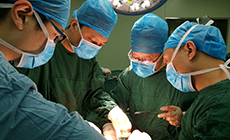
Recently, the team led by Li Yongxin from the Department of Cardiovascular Surgery at the First Affiliated Hospital (FAH) of Xi’an Jiaotong University (XJTU) successfully performed robot-assisted sutureless aortic valve replacement for an elderly patient. This procedure innovatively integrated a robotic surgical system with a rapid-deployment valve system, marking the first clinical practice in China to combine these two minimally invasive technologies in aortic valve replacement.
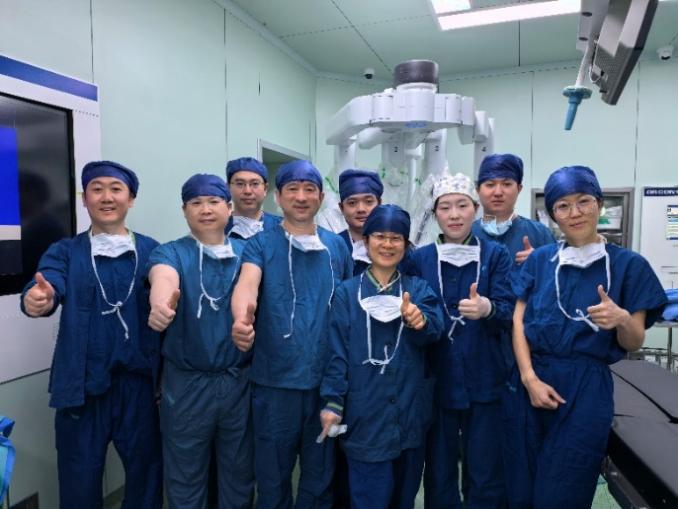
The patient was admitted due to aortic valve stenosis complicated by severe regurgitation. Preoperative assessment indicated that, given the patient’s advanced age, conventional median sternotomy would involve greater surgical trauma and a longer postoperative recovery period. To minimize surgical trauma, shorten cardiopulmonary bypass time, and improve the precision of valve implantation, the team developed a technical plan combining robot-assisted surgery with a sutureless valve, making full use of the dual advantages of precise robotic manipulation and rapid implantation of the sutureless valve.
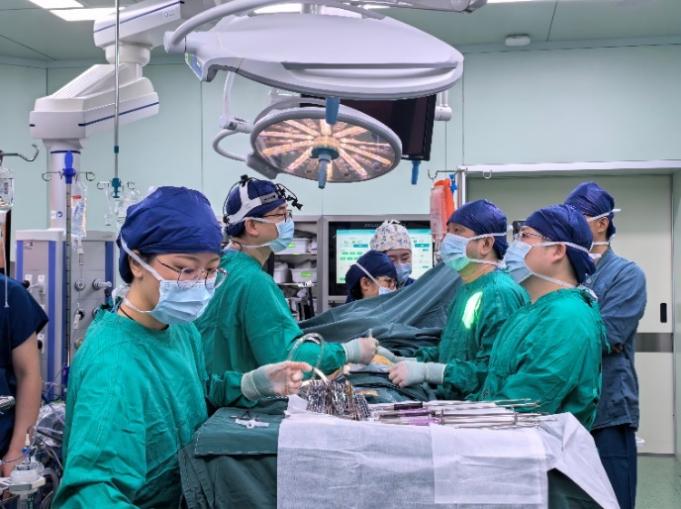
The surgery was performed under hypothermic general anesthesia with cardiopulmonary bypass support. Dr. Li Yongxin and Dr. Li Jing inserted the da Vinci robotic arms through small intercostal incisions. With the aid of the robotic system’s three-dimensional high-definition visualization and flexible robotic arms, they precisely completed exposure of the aortic root, excision of the diseased valve, and debridement of the valve annulus. Subsequently, a preloaded sutureless bioprosthetic valve was delivered to the aortic annulus through a small intercostal incision using a dedicated delivery sheath, and controlled deployment was completed with the assistance of a balloon expansion device. After implantation, the valve fitted closely with the annulus, with no manual suturing or knot tying required throughout the procedure.
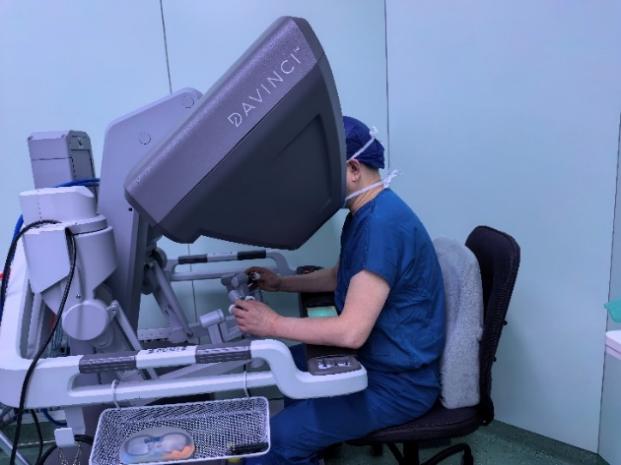
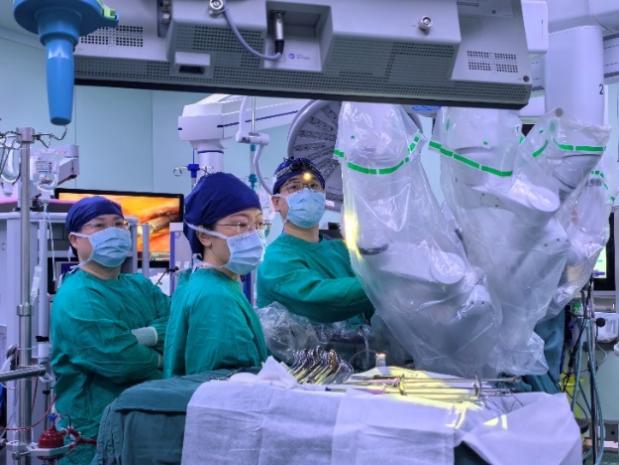
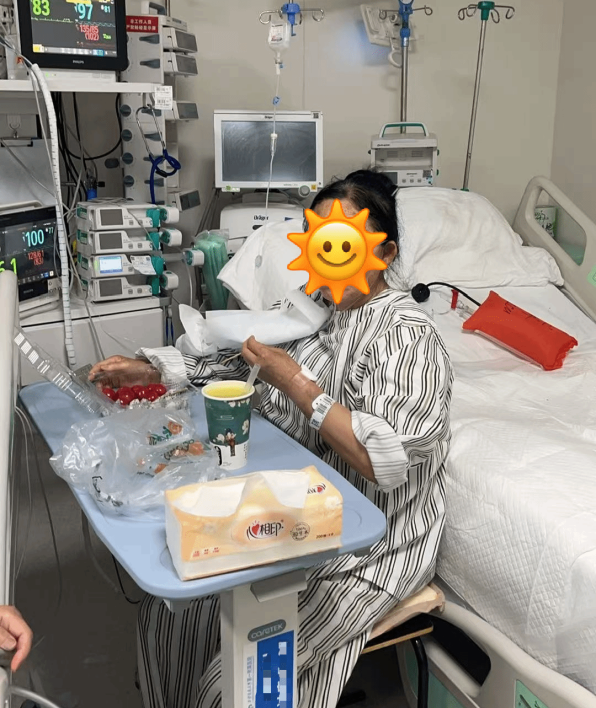
Intraoperative transesophageal echocardiography showed that the prosthetic valve was accurately positioned, with no paravalvular leak, and that the transvalvular pressure gradient met the required standard. After surgery, the patient’s vital signs remained stable, and the patient has now recovered and been discharged.
Associate Chief Physician Li Yongxin said that the procedure integrated two minimally invasive systems, namely robotic surgery and rapid-deployment valve implantation, fully leveraging the advantages of both minimally invasive approaches. It represents a further deepening and extension of the concept of minimally invasive cardiac surgery.
In recent years, the Department of Cardiovascular Surgery at the FAH of XJTU has achieved a number of first-in-China technological breakthroughs in the field of minimally invasive cardiac surgery. The success of this procedure marks another new milestone for the department in minimally invasive aortic valve replacement, and also provides reproducible and valuable clinical experience for domestic peers in carrying out robot-assisted sutureless valve replacement.