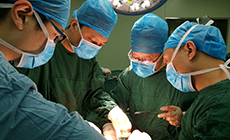
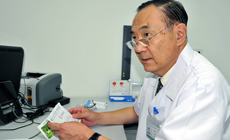
Recently, the Department of Obstetrics at the First Affiliated Hospital (FAH) of Xi’an Jiaotong University (XJTU), in collaboration with multidisciplinary teams from the Department of Neonatology, Department of Blood Transfusion, and obstetric and gynecological ultrasound, successfully completed a highly difficult fetal intrauterine transfusion (IUT) procedure, saving a fetus on the verge of death due to severe anemia. The infant has since been delivered safely, with stable vital signs, and was recently discharged after recovery.
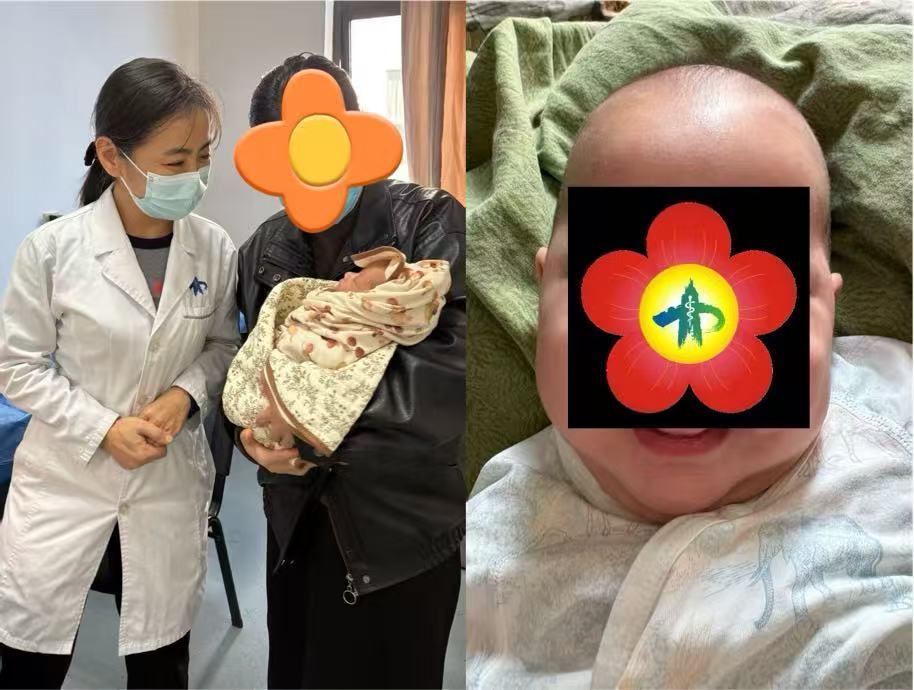
Ms. Wang was transferred to the FAH for diagnosis and treatment at 32 weeks of gestation after prenatal examination revealed an abnormally elevated fetal middle cerebral artery peak systolic velocity (MCA-PSV). Admission examination showed significant fetal cardiac enlargement, accompanied by pericardial effusion, fetal pleural effusion, and ascites. Blood testing through fetal umbilical vein puncture confirmed that the fetal hemoglobin level was only 48 g/L, and the hematocrit was only 15.2%, indicating severe fetal anemia. Hydrops fetalis had already developed, with the risk of fetal heart failure or even intrauterine fetal death at any time.
In response to this urgent situation, the FAH promptly activated its multidisciplinary fetal medicine collaboration mechanism. A joint diagnosis and treatment team composed of experts from the Department of Obstetrics, obstetric and gynecological ultrasound, the Department of Neonatology, and the Department of Blood Transfusion conducted a comprehensive assessment and confirmed that the fetus met the indications for intrauterine transfusion.
After fully assessing the risks, improving the emergency response plan, and obtaining informed consent from the family, the medical team performed two intrauterine transfusion treatments for the fetus.
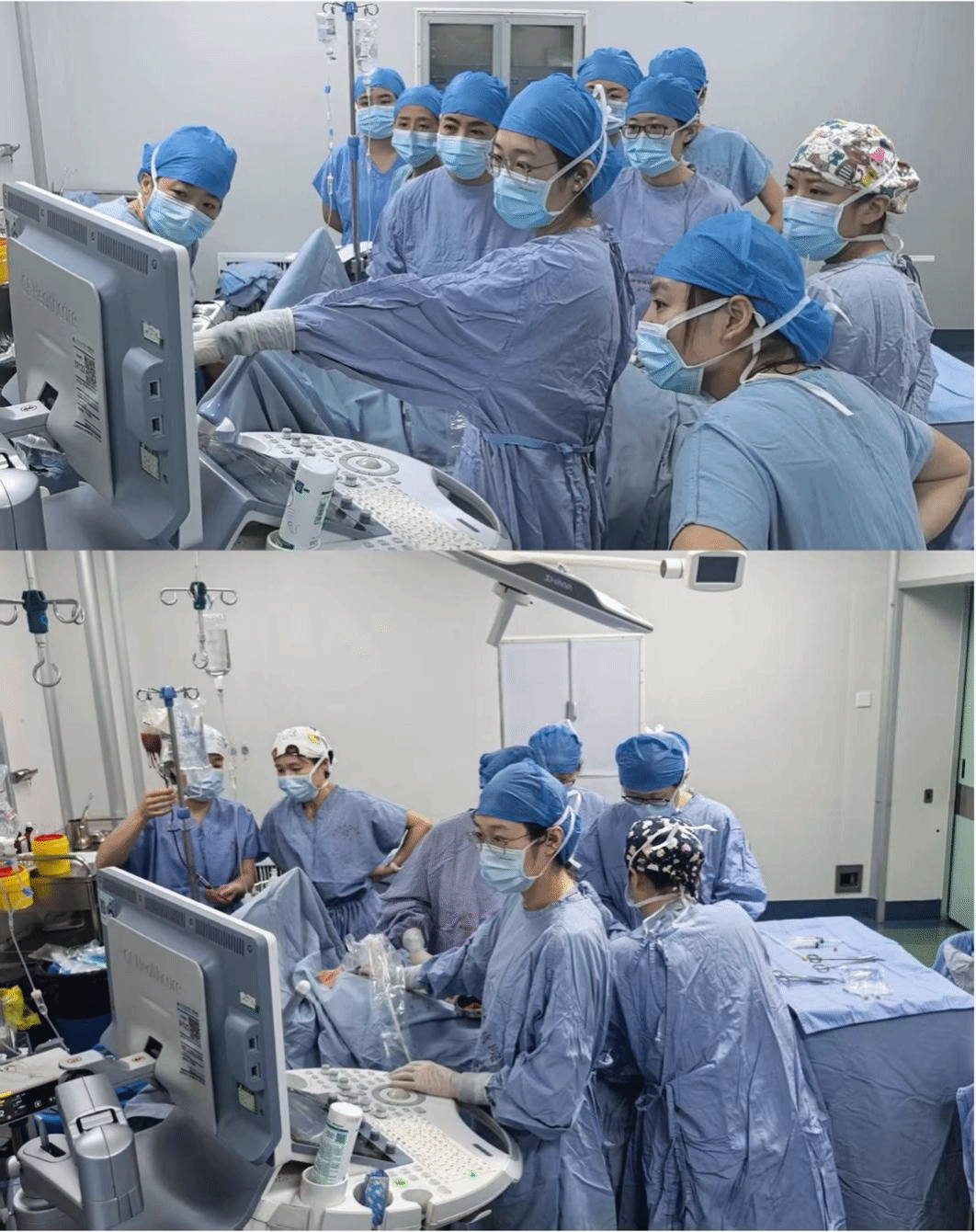
During the procedure, obstetric and gynecological ultrasound provided high-resolution image guidance throughout the process to ensure a safe puncture route. The Department of Blood Transfusion urgently allocated rare blood type blood products to ensure transfusion safety. Obstetric experts performed the procedure with precision, and the transfusion was completed smoothly. Postoperative reexamination showed that the fetal hemoglobin level had increased significantly, the cardiac structure had improved, ultrasound indicators had markedly improved, and the anemia had been effectively corrected.
Fetal intrauterine transfusion is mainly indicated for severe fetal anemia. At present, mature fetal medicine center networks have been established internationally, with annual procedure volumes reaching hundreds of cases and clinical success rates remaining stable at more than 85%. Although China started later in this field, it has developed rapidly in recent years.
The ultrasound-guided umbilical vein transfusion technique used in this intrauterine transfusion fully demonstrates the FAH’s advanced medical expertise in the field of fetal medicine. It marks that the FAH has initially established a full-cycle diagnosis and treatment pathway covering prenatal screening, precise diagnosis, intrauterine intervention, and perinatal management, achieving a key breakthrough in fetal medicine and officially entering the ranks of high-level obstetric departments with intrauterine interventional treatment capabilities. This has injected new momentum into the development of the regional high-risk pregnancy treatment system.