Recently, the Land Port Division of the First Affiliated Hospital (FAH) of Xi’an Jiaotong University (XJTU) successfully performed a high-risk artificial femoral head replacement for a 74-year-old high-risk elderly patient with a critical cardiac condition complicated by right femoral neck fracture. Through precise multidisciplinary collaboration, the team overcame a major clinical challenge and provided a successful example for the treatment of complex and critically ill patients.
The patient underwent coronary stent implantation for acute myocardial infarction caused by coronary heart disease 10 years ago, and suffered a right femoral neck fracture after an accidental fall three months ago. With an ejection fraction (EF) of only 35%, severely impaired cardiac pumping function, and complications such as acute heart failure, ischemic cardiomyopathy, and grade 3 hypertension, the patient was evaluated by several hospitals as being unable to tolerate surgery and anesthesia. As a result, he was bedridden with no effective treatment options. After being transferred to the Coronary Care Unit (CCU) of the Department of Cardiovascular Medicine at the Land Port Division of the FAH, the patient remained in critical condition, facing serious risks such as acute heart failure and sudden death at any time.
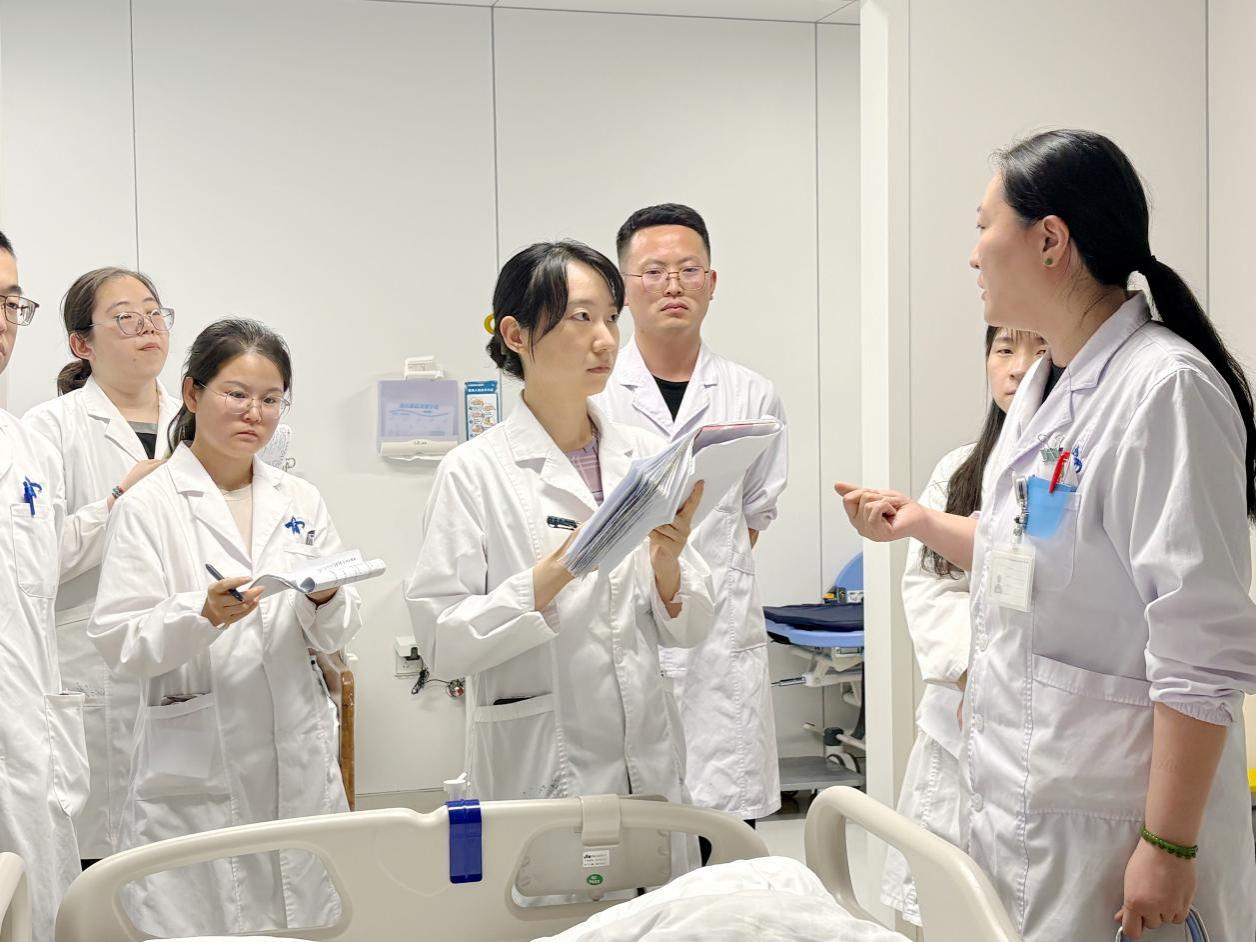
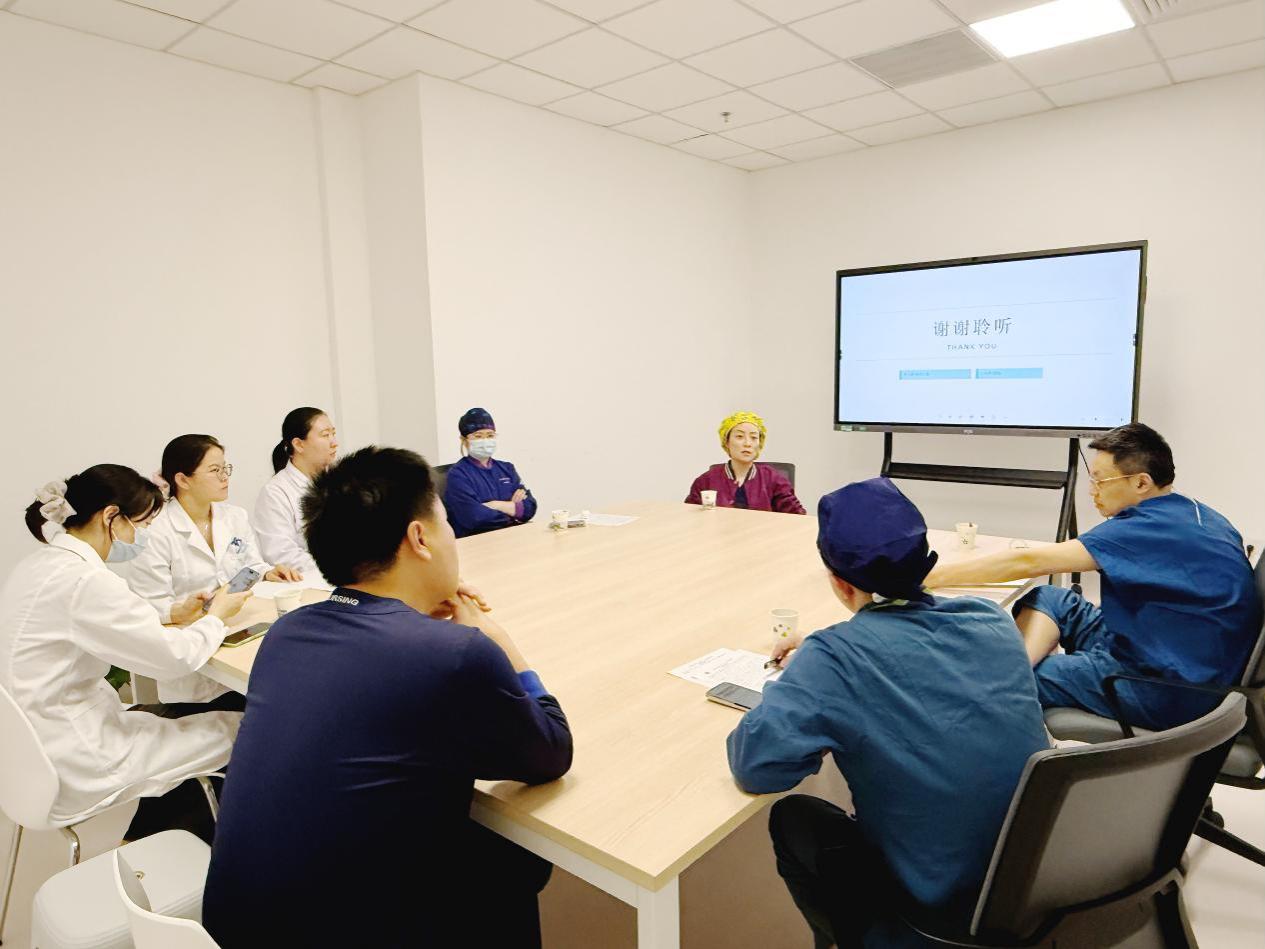
In response to the extremely high-risk treatment challenge, the hospital rapidly initiated a multidisciplinary team (MDT) consultation. The CCU team of the Department of Cardiovascular Medicine, the Department of Anesthesiology and Perioperative Medicine, the Department of Orthopedics, and the Department of Critical Care Medicine jointly developed an individualized treatment plan. The cardiovascular team optimized anti-heart failure and antiplatelet therapy to improve cardiac function. The anesthesia team determined a combined spinal-epidural anesthesia plan with minimal impact on the heart. The orthopedic team planned a minimally invasive and rapid surgical procedure, while the Department of Critical Care Medicine formulated a postoperative monitoring and emergency response plan.
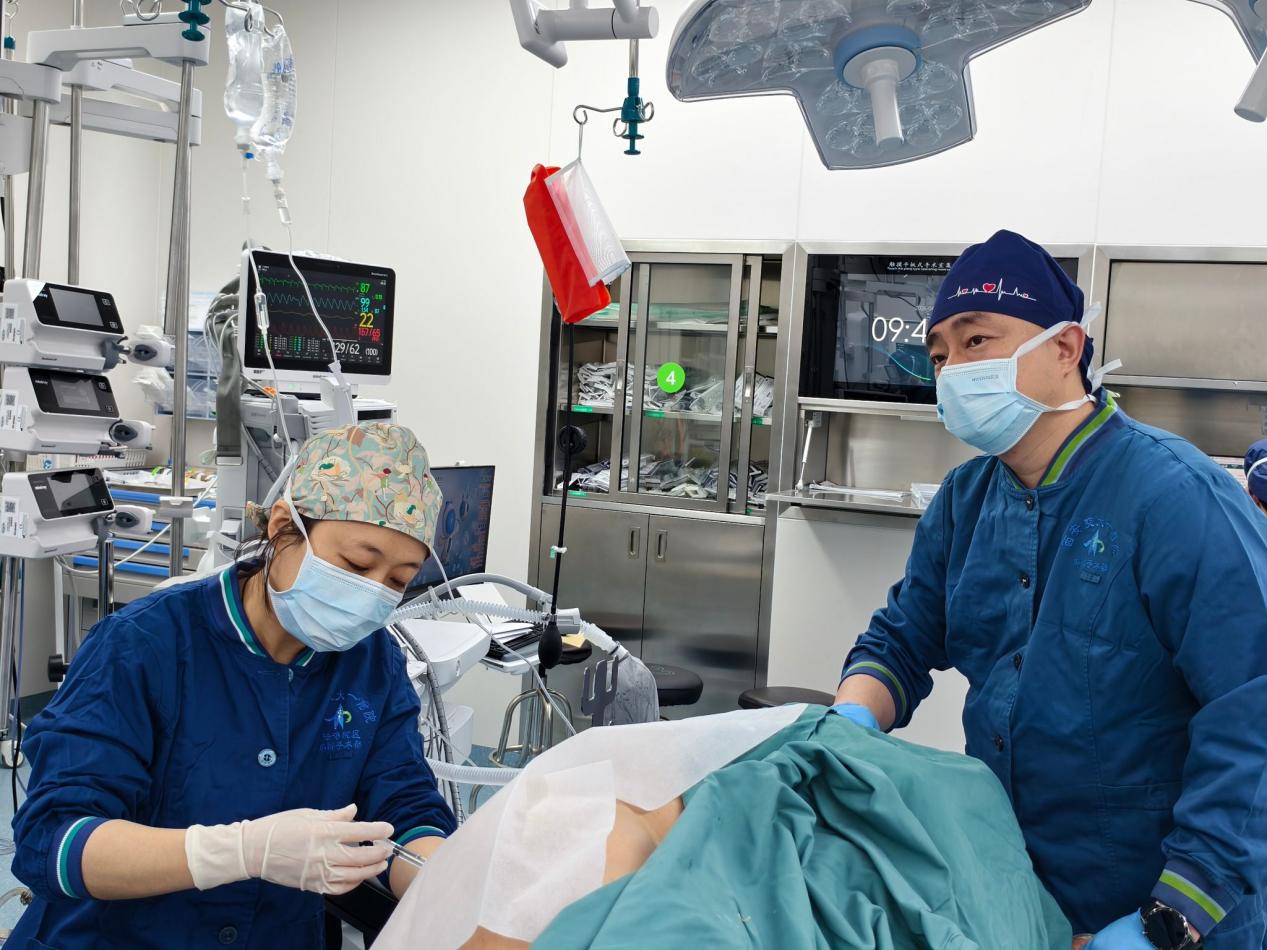
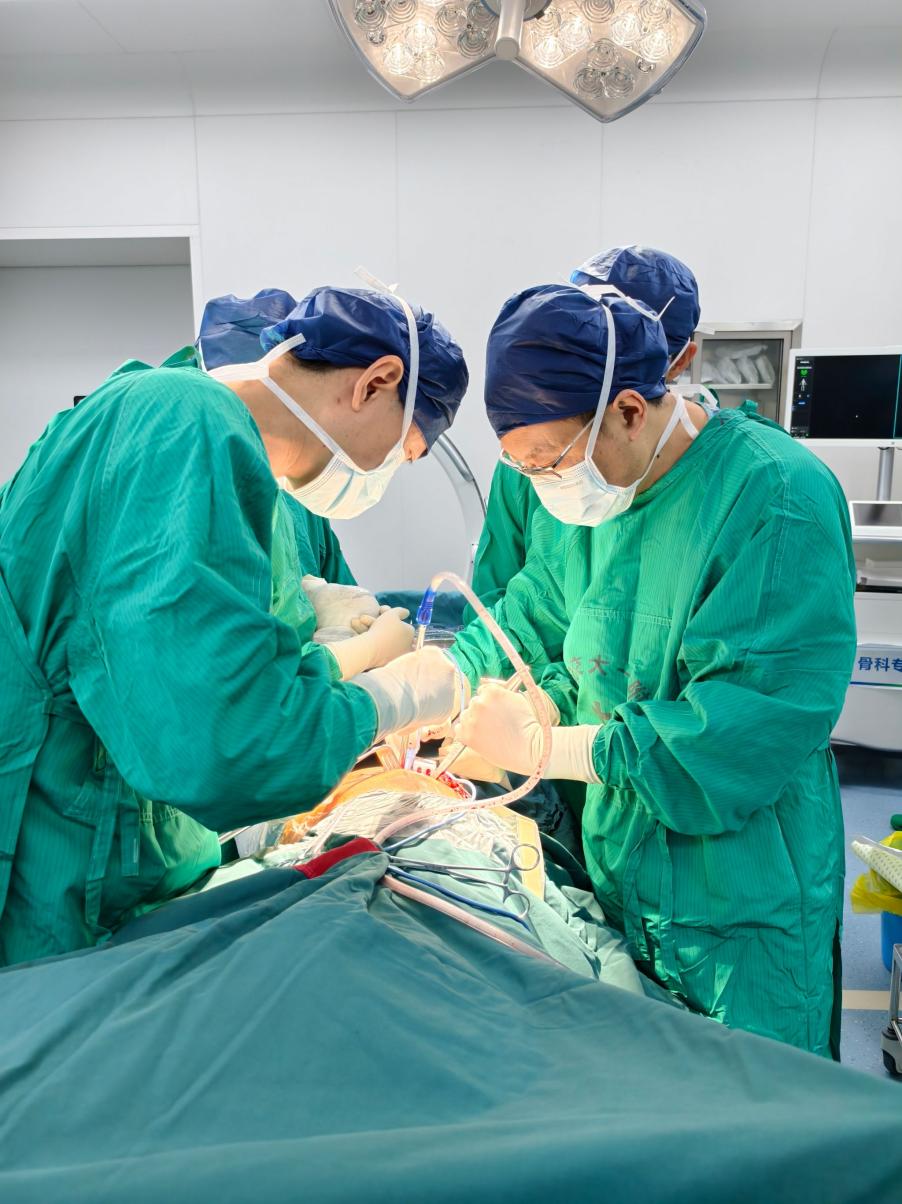
The surgery was carried out successfully on April 23. The anesthesia team overcame difficulties such as patient positioning and calcification of the lumbar ligaments, and performed precise anesthesia. The orthopedic team led by Deputy Director Du Heng operated efficiently and strictly controlled bleeding. The right artificial femoral head replacement was successfully completed in less than one hour from incision to suturing. During the operation, the anesthesia team monitored circulation in real time and precisely regulated volume status, while the cardiovascular team remained on standby throughout the procedure. The patient’s cardiac function remained stable throughout.
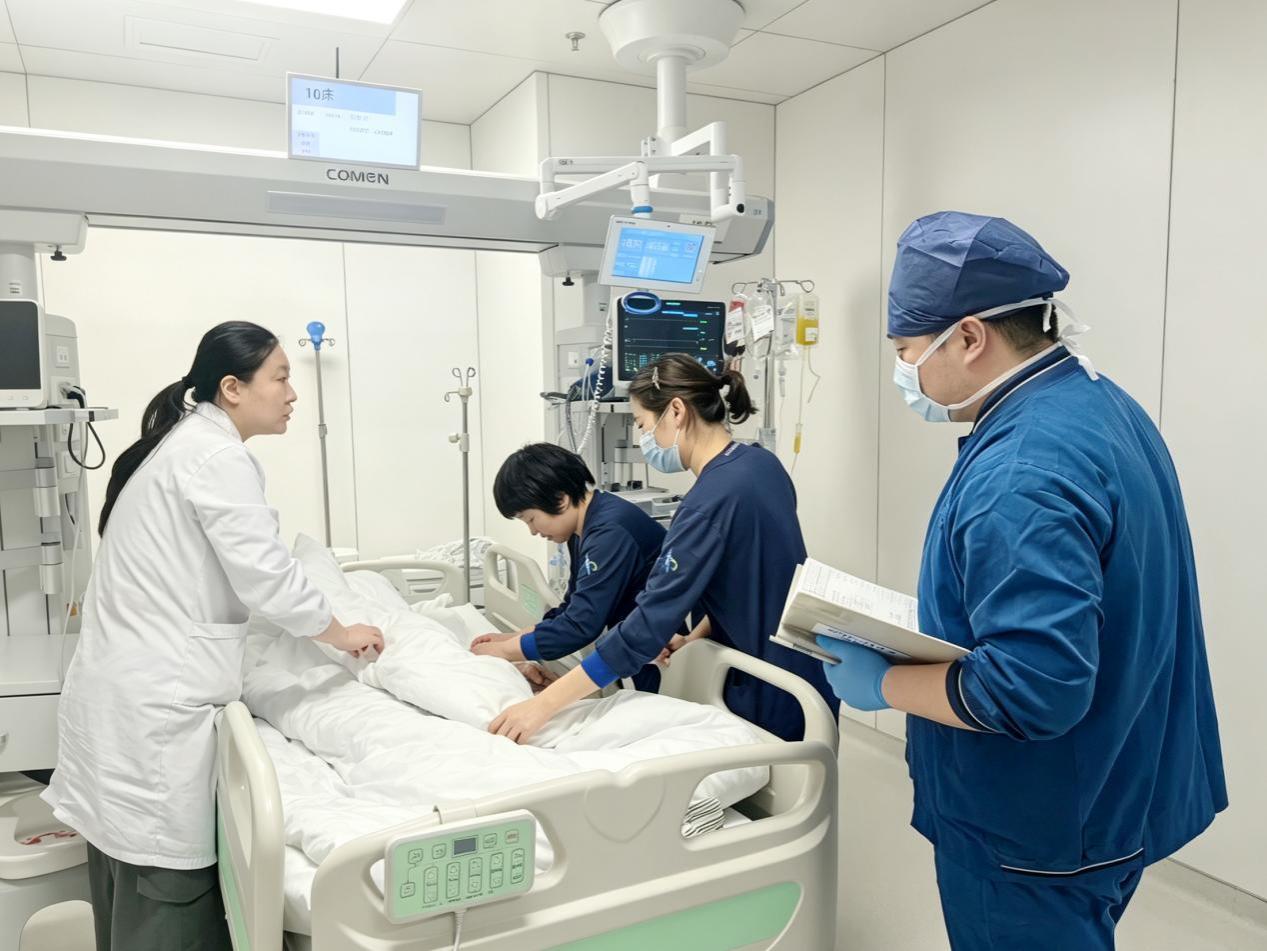
After surgery, the patient was safely transferred to the CCU for monitoring. The multidisciplinary team dynamically adjusted the cardiac function support and rehabilitation plan.Bed-based ankle pump rehabilitation training was initiated three hours after surgery. No abnormal fluctuations in cardiac function were observed, and all indicators improved steadily. Three days after the surgery, the patient was able to carry out bedside activities, and the rehabilitation outcomes were significantly better than expected.
The success of this treatment marks a new level for the hospital in the integrated treatment of elderly, high-risk patients with multiple organ diseases and demonstrates its core capabilities in the integrated diagnosis and treatment of acute and critical illnesses.