Recently, Professor He Yingli’s team from the First Affiliated Hospital (FAH) of Xi’an Jiaotong University (XJTU) published an important research finding in the Journal of Medical Microbiology, where they were the first to confirm from the perspective of gut microbiota that antibiotic exposure exacerbates the progression of acute-on-chronic liver failure (ACLF) and reduces patient survival rates. This provides critical evidence for the rational clinical use of antibiotics.
ACLF is a severe clinical condition characterized by rapid deterioration of liver function on the basis of chronic liver disease, with a high 28-day mortality rate of 50%-90%. Bacterial infections are an important trigger, and while antibiotics are commonly used in clinical settings, their impact on patient prognosis has remained controversial.
The team employed a combination of clinical retrospective matching studies and animal model experiments to systematically investigate the relationship between antibiotic exposure and the prognosis of ACLF. Clinical data showed that the group of patients exposed to antibiotics had significantly higher early 28-day mortality rates and overall mortality rates compared with the non-exposed group. Furthermore, the 12-week and 24-week survival rates were markedly lower, indicating that the use of antibiotics without indication did not provide any benefit.
Animal experiments confirmed that antibiotics led to liver congestion, edema, increased inflammatory infiltration, and a significant elevation of transaminase levels in ACLF rats. Mechanistic studies revealed that antibiotics significantly reduced gut microbiota diversity, resulting in a decrease of beneficial bacteria and an enrichment of pathogenic and opportunistic pathogenic bacteria, thereby impairing the integrity of the gut barrier.
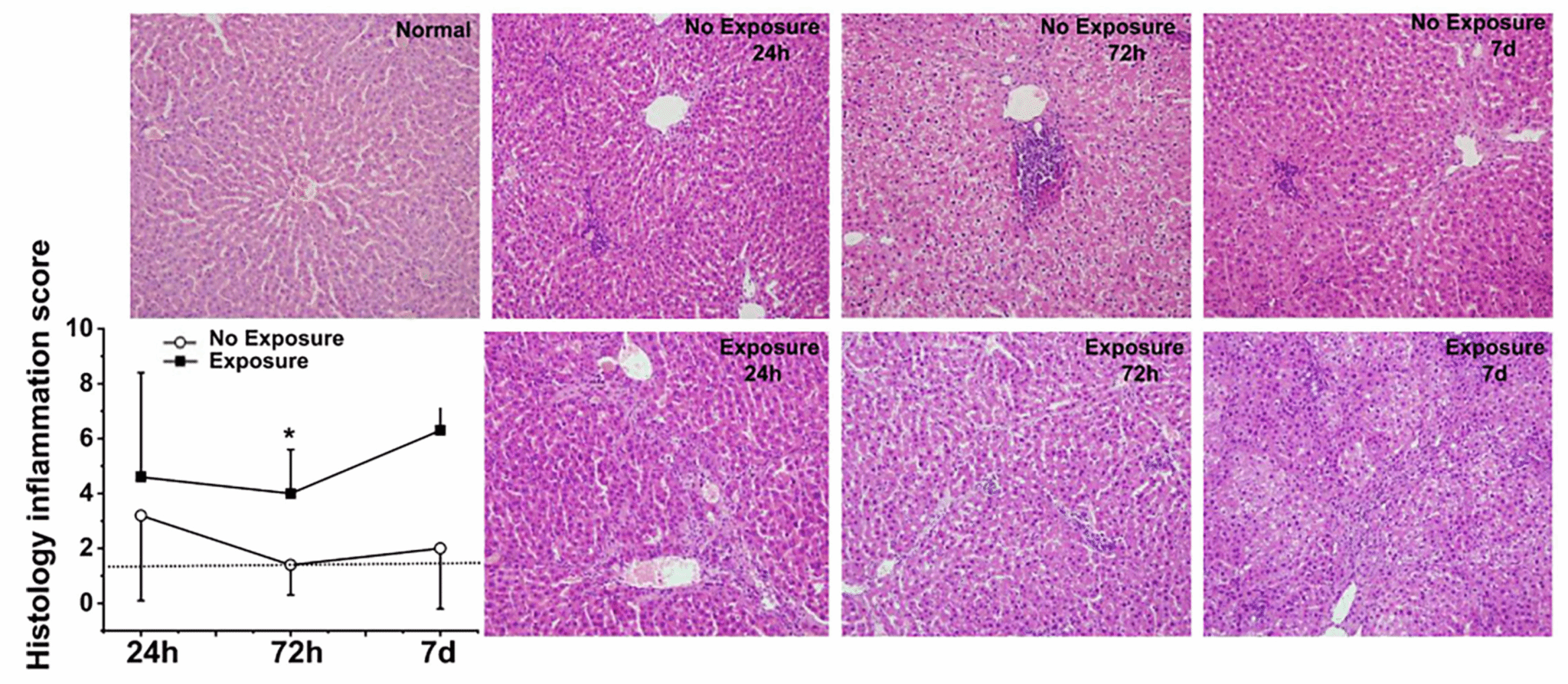
Pathogenic bacteria and toxins translocate through the gut-liver axis, further triggering and exacerbating liver inflammation, ultimately accelerating the progression of liver failure. This study is the first to clarify that gut microbiota imbalance is the core mechanism by which antibiotics aggravate ACLF, providing new targets for clinical intervention.
The research suggests that ACLF patients must strictly adhere to antibiotic usage indications and avoid empirical prophylactic use. In the future, regulating the gut microbiota and repairing the intestinal barrier are expected to improve the prognosis of liver failure patients.
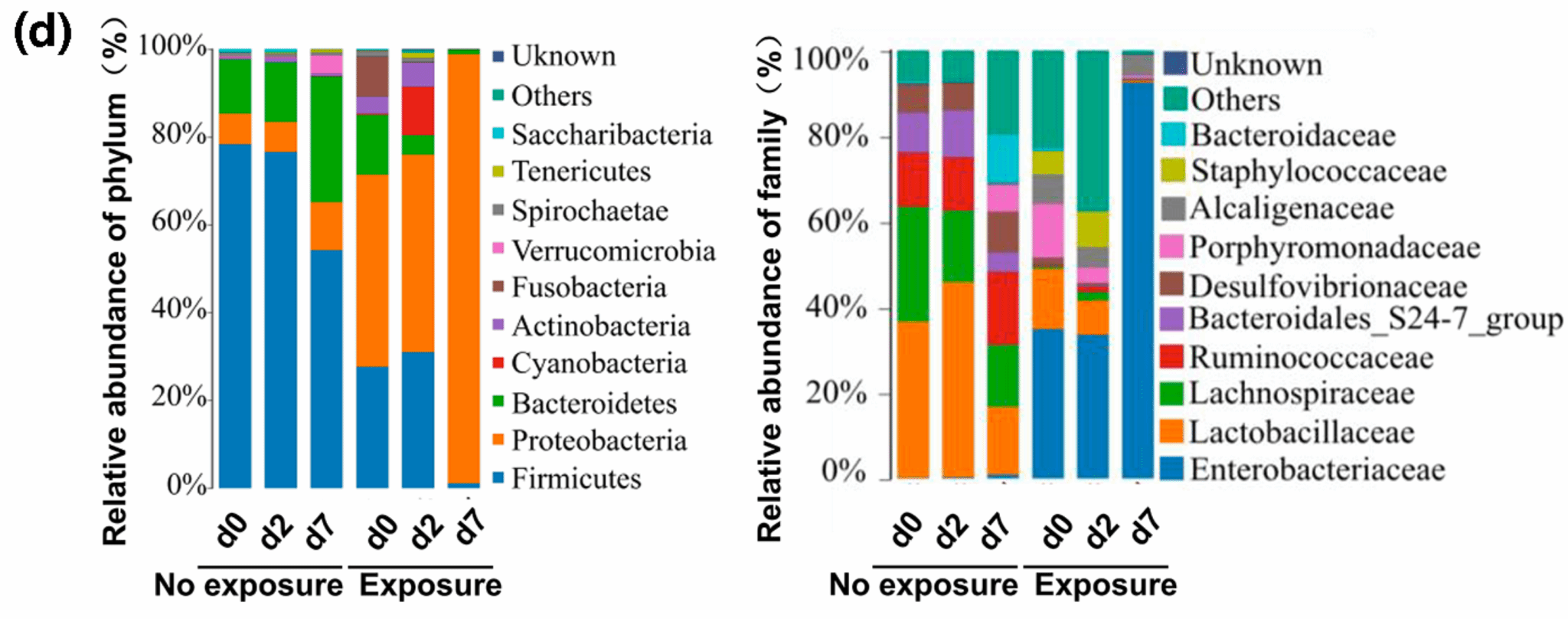
This research was supported by multiple grants such as the National Natural Science Foundation of China, and provides important theoretical and practical guidance for the treatment of infections in critical liver diseases.