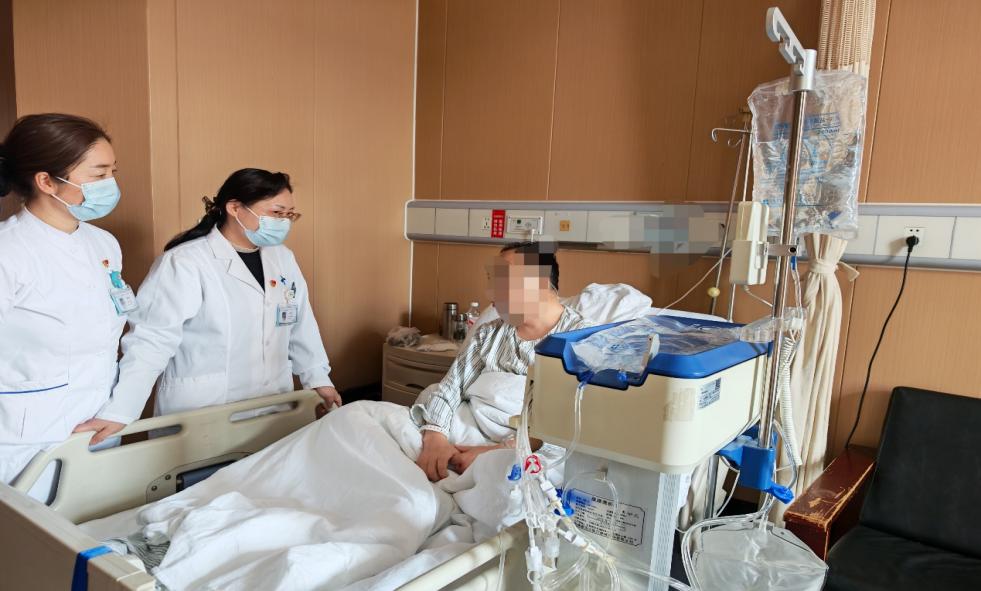
Peritoneal dialysis-related chest-abdominal fistula is a rare and severe complication in long-term peritoneal dialysis patients. The fistula opening is small and hidden, making it difficult to locate with traditional diagnostic methods. Conservative treatments are ineffective, while open chest surgery causes significant trauma, slow recovery, and often leads to dialysis interruption, severely impacting the patient's quality of life.
To address this clinical challenge and better safeguard the diagnostic and therapeutic safety and quality of life of peritoneal dialysis patients, the Department of Thoracic Surgery of the FAH recently took the initiative to work with the Department of Nephrology (Peritoneal Dialysis Specialty) and the Department of Anesthesiology and Perioperative Medicine to establish a multidisciplinary team (MDT). The team built a full-process closed-loop care model featuring “preoperative assessment-intraoperative collaboration-postoperative management”. Following multiple rounds of MDT consultations, thorough preoperative deliberations, and precise risk assessment, the team successfully performed the FAH’s first fluorescence-assisted thoracoscopic repair for a peritoneal dialysis-related thoracoabdominal fistula. The successful implementation of this minimally invasive technique fills a diagnostic and therapeutic gap at the FAH in this field.
This procedure innovatively applies fluorescence imaging technology: indocyanine green is injected into the peritoneal cavity, enabling the tiny, concealed fistula to be clearly “illuminated” under thoracoscopy for precise localization, thereby effectively addressing the longstanding challenges of difficult localization and missed lesions in conventional surgery. Throughout the operation, thoracoscopic minimally invasive techniques were used in place of a conventional open thoracotomy incision. The fistula was securely repaired with a tension-free suturing technique, resulting in smaller trauma, less bleeding, and a more durable repair, and substantially reducing surgical stress and the risks of complications.
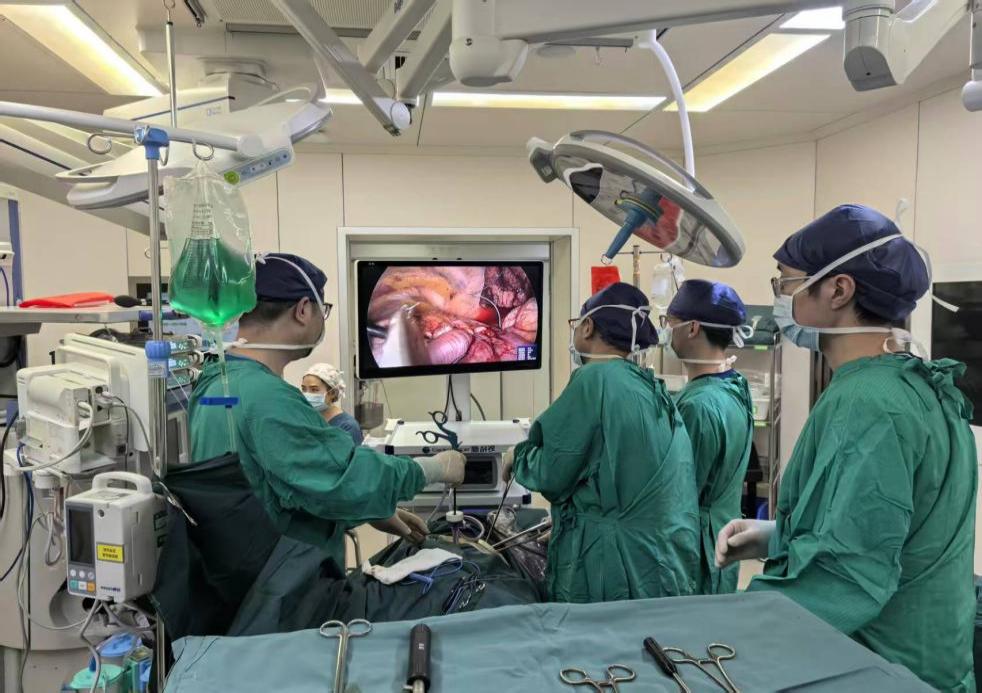
This technology has achieved three core breakthroughs: first, precise localization, with the fistula made visible and accessible, enabling a more reliable repair; second, minimally invasive repair, better suited to the relatively frail physical condition of peritoneal dialysis patients and shortening the recovery period; and third, tight closure, blocking peritoneal dialysis fluid leakage at its source and ensuring continuity of dialysis. Postoperatively, automated peritoneal dialysis was used to provide precise support, with dialysis parameters individualized to avoid vascular injury and renal function impairment associated with temporary hemodialysis, thereby effectively preserving residual renal function and accelerating recovery. The patient is currently recovering well, with no recurrence of pleural effusion and marked relief of symptoms such as chest tightness and shortness of breath, and has gradually resumed normal peritoneal dialysis and daily life.