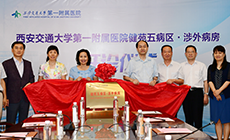
As a key node city of the Belt and Road Initiative, Xi’an is building a transnational health bridge through medical services. Leveraging the locational advantages of Chanba International Port, the Land Port Division of the First Affiliated Hospital (FAH) of Xi’an Jiaotong University (XJTU) has filled the regional gap in high-end medical services and shifted from “passive admission” to “proactive service”, establishing a new paradigm of international diagnosis and treatment that reaches across Eurasia.
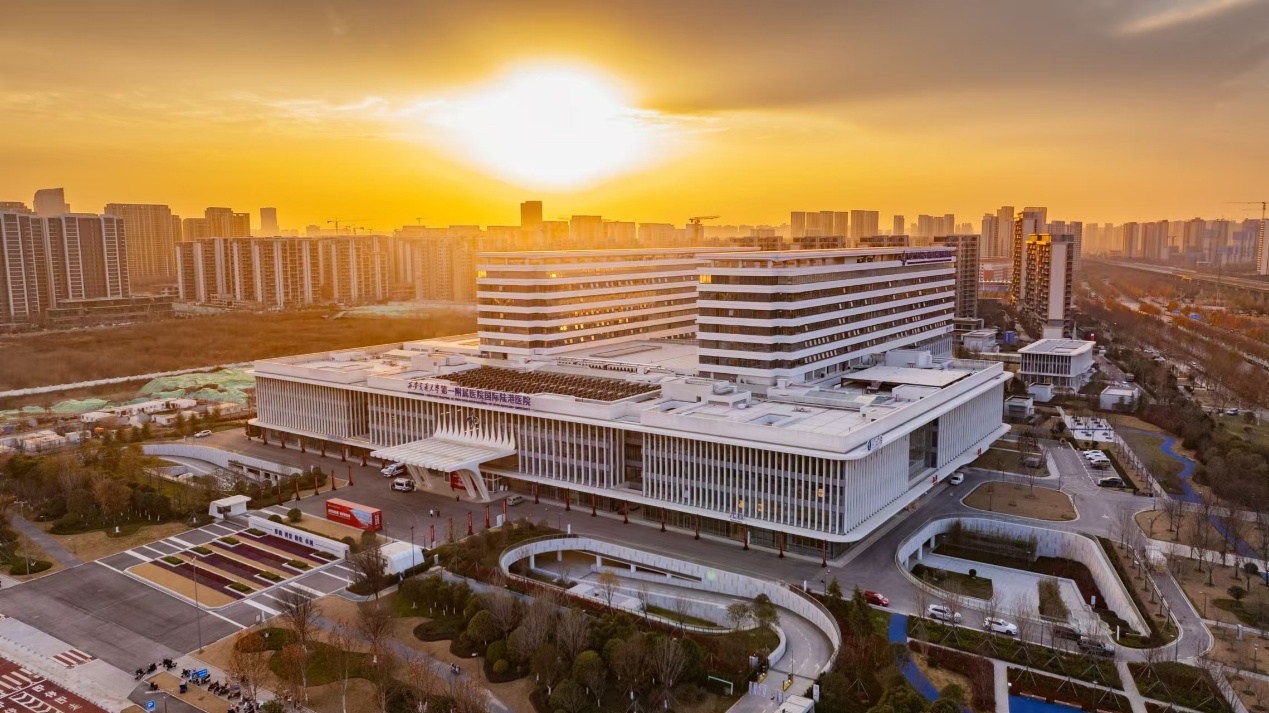
The Land Port Division’s achievements in transnational medical care are no coincidence. In July 2025, Vice President Li Hongxia led a team to conduct in-depth visits to foreign-related enterprises, accurately mapping and responding to their health needs. Subsequently, through initiatives such as emergency care training and health education on chronic disease prevention, the division built up its professional reputation by word of mouth among Belt and Road employees. In October of the same year, two patients from Kazakhstan suffering from low back pain traveled to the Land Port Division on the strength of this reputation, embarking on a cross-border journey for medical care.
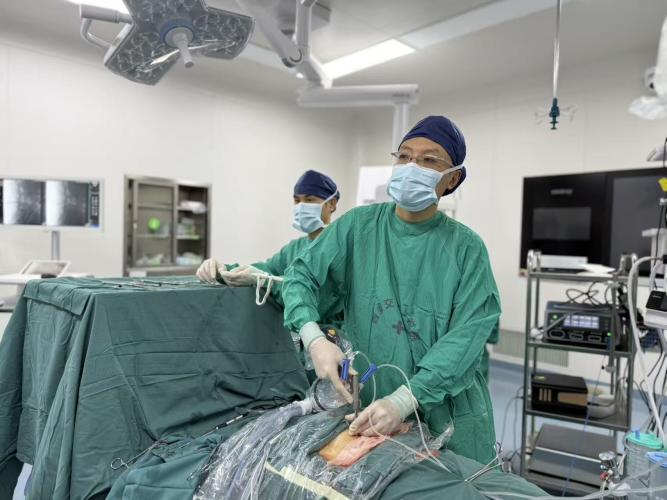
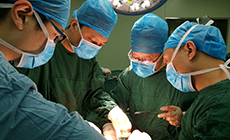
Upon admission, the Land Port Division activated a green channel for international diagnosis and treatment, bringing together multidisciplinary experts from Orthopedics, Anesthesiology and other specialties for joint consultation and using MRI imaging to precisely locate the lesions. To address the patients’ concerns about receiving treatment in a foreign country, the medical team provided psychological support through detailed explanations of the procedures and sharing of similar cases, while multilingual services helped to eliminate communication barriers. Ultimately, Associate Director Du Heng successfully performed the operation using a minimally invasive transforaminal endoscopic technique, and a postoperative, individualized rehabilitation plan led to marked relief of symptoms, earning high praise from the patients, who remarked that “Chinese doctors are so professional and dedicated. They have made a foreign land feel like home”.
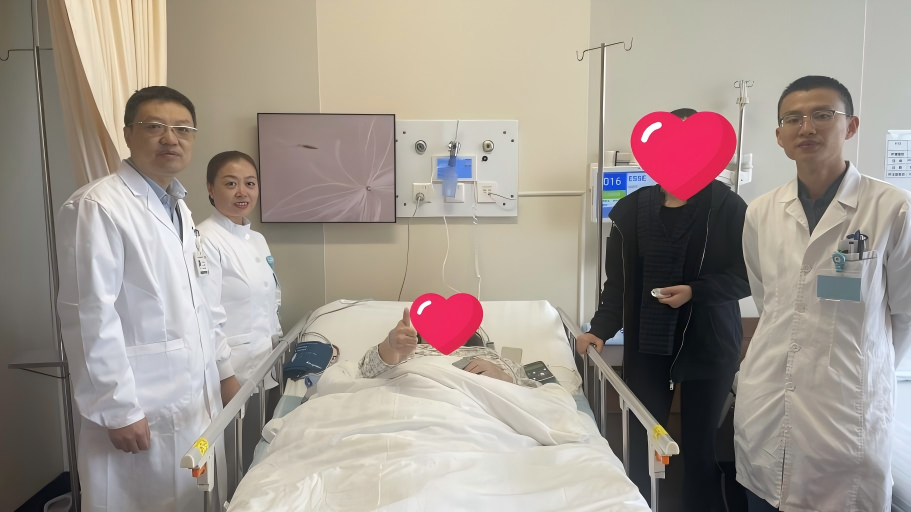
This successful treatment has set off a marked ripple effect: An increasing number of foreign friends from Eurasian countries are abandoning the habit of “putting up with the pain” or flying home for treatment and are instead choosing to seek care locally. More patients are also proactively requesting health check-ups, marking a shift in mindset from “passive treatment” to “active prevention”.
As a branch of the FAH of XJTU, which ranks first nationwide in the scale of international health workforce training, the Land Port Division has already provided more than 200 high-end diagnostic and therapeutic services for patients from Belt and Road partner countries, and has received high praise from health ministers of several Shanghai Cooperation Organization (SCO) member states. Looking ahead, the division will further enhance its multilingual services and emergency referral pathways, deepen collaboration with foreign-related enterprises, and extend the reach of high-quality medical resources more broadly along the Silk Road.
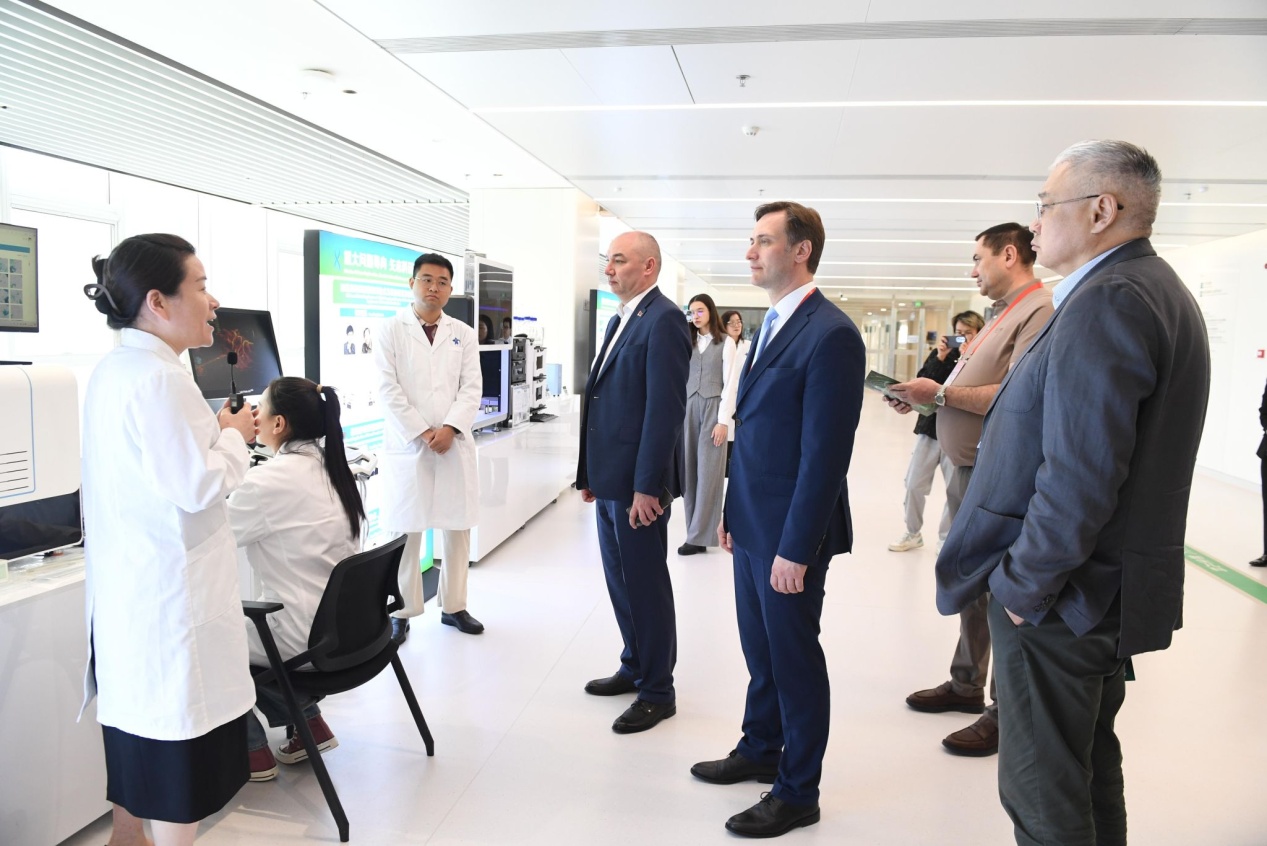
Along the ancient Silk Road, the Land Port Division is like a “medical express train” running in parallel with the China-Europe Railway Express, building bridges of people-to-people connectivity through compassion and clinical excellence. In doing so, it is shaping a distinctive “Xi’an model” of international medical services and helping the vision of a shared health community take root across the Eurasian continent.