Recently, Elsevier released the 2025 list of “Highly Cited Chinese Researchers”. Professor Ma Qingyong from the Department of Hepatobiliary Surgery of the First Affiliated Hospital (FAH) of Xi’an Jiaotong University (XJTU) was once again selected in the field of Clinical Medicine, marking his fifth consecutive year receiving this honor. The recognition highlights the team’s leading research strength and international academic influence.

The list is compiled based on data from the Scopus database and applies stringent selection criteria. Researchers are required to reach the discipline-specific citation threshold for their scholarly outputs and to have either highly cited papers or a field-weighted citation impact (FWCI) above the global average. This year, only 325 clinical medicine researchers nationwide were included.
Professor Ma Qingyong has been dedicated to hepatobiliary and pancreatic surgery for nearly three decades and has achieved substantial academic outcomes. In the Scopus database, he has published 310 papers with 9,916 total citations and an average of 32 citations per paper. His FWCI is 1.06, exceeding the global average. About 11.9% of his publications rank among the world’s top 10% most cited papers, and his research on pancreatic cancer is among the leading work globally. In addition, 21.9% of his outputs involve international collaboration, with a collaborative FWCI of 1.46. Moreover, nine papers have been cited by 15 policy documents issued by 13 policymaking institutions across nine countries, enabling translation of research findings into policy practice.
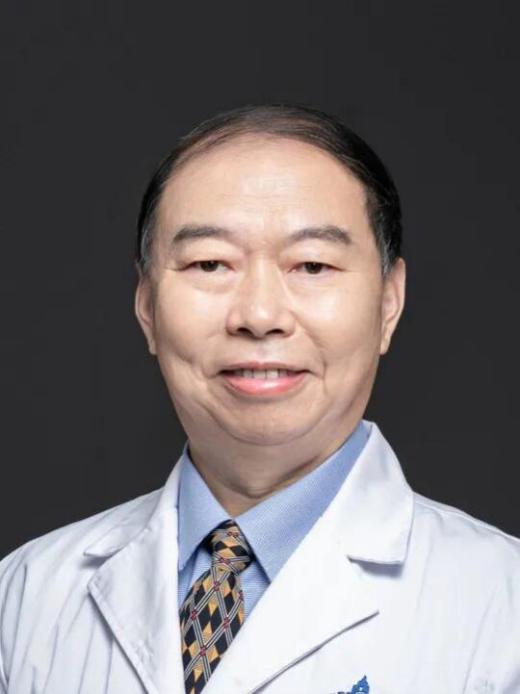
Professor Ma Qingyong is the founder of pancreatic surgery at the FAH. His repeated inclusion not only affirms his long-term commitment to original innovation and clinical translational research, but also reflects the collective research capabilities of the hepatobiliary and pancreatic surgery team at the FAH. Going forward, the relevant teams of the FAH will continue to uphold an innovation-driven approach, generate high-level research outcomes, and contribute to strengthening China’s international academic voice in this field and advancing the Healthy China initiative.