Recently, the First Affiliated Hospital (FAH) of Xi’an Jiaotong University (XJTU) successfully completed the full-course diagnosis and treatment and ensured a safe delivery for a 37-year-old high-risk pregnant woman with a 23-year history of systemic lupus erythematosus and concomitant uremia on maintenance hemodialysis. Both mother and baby were safe, and the newborn was discharged smoothly on February 28, 2026, highlighting the FAH’s top-tier technical capabilities in the comprehensive rescue of complex high-risk pregnant women.

The patient was of advanced maternal age and also had comorbid hypertension and hyperlipidemia, as well as a history of cesarean section. She was referred to the FAH at 23 weeks+6 days of gestation. At that time, the fetus showed growth restriction, and the mother had multiple complications such as renal anemia and a hypercoagulable state. Pregnancy in dialysis patients has a pregnancy rate of less than 2%, and a successful delivery rate of only 20-30%, making treatment and rescue extremely difficult.
The FAH promptly activated the MDT mechanism for high-risk pregnant women and assembled a team of experts from nephrology, rheumatology and immunology, obstetrics, neonatology, and other disciplines to develop a tailored, precise diagnosis and treatment plan. Going beyond conventional practice, the nephrology team implemented an individualized dialysis regimen of 7 sessions per week, 5 hours per session, and innovatively introduced a glucose-containing dialysate with high potassium and high calcium concentrations, with electrolytes adjusted through precise monitoring. An approach of monitoring antithrombin III and anti-factor Xa activity was pioneered for titrating anticoagulant dosing, with no clotting or bleeding events throughout the course. At the same time, severe anemia was corrected by doubling the erythropoietin dose, and dry weight was dynamically assessed using multiple methods. A dedicated vascular access nursing team was also established, ensuring that more than 120 arteriovenous fistula cannulations were completed without complications. In parallel, the multidisciplinary team closely monitored lupus disease activity, ensured fetal surveillance, tailored nutritional and medication plans, and successfully managed a crisis of acute pancreatitis triggered by hyperlipidemia at 28 weeks of gestation.


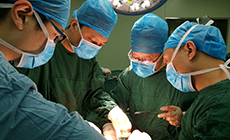
At 32 weeks + 2 days of gestation, the patient developed critical conditions such as arrested fetal growth and a single umbilical artery. The MDT team made a decisive decision to perform a cesarean section. Intraoperatively, the umbilical cord was found to be twisted dozens of times with thrombus formation. Thanks to the timely surgery, a baby girl was delivered smoothly. The neonatology team ensured seamless handover and delivered precise care for the 1,240g preterm infant, such as pulmonary surfactant supplementation and stepwise nutritional support. The preterm infant ultimately met all discharge criteria and was discharged smoothly.
The success of this rescue reflects the FAH’s multidisciplinary collaborative expertise and capabilities in precision medicine, and marks a new milestone in its comprehensive rescue capacity for extremely complex high-risk pregnancies.